Lower running costs. Rebates applied at quote.
Installed and serviced by licenced plumbers.
If you're tired of looking at the electricity bill or your old tank is on its last legs, switching to a solar or heat pump hot water system is one of the highest-return upgrades you can do on a home. Lower running costs from day one, government rebates that come off the upfront price, and 10 to 15 years of warranty on most systems.
T.U.R.D.S Plumbing installs, services, and repairs solar and heat pump hot water systems across Brisbane's Northside and the Moreton Bay region. We quote on a fixed-price basis with rebates already factored in, so you know exactly what the system costs you, not what the sticker says.
Free quotes across the Moreton Bay area. Upfront fixed pricing. Licenced, insured tradespeople on every job.
A solar or heat pump system isn't a like-for-like swap for an old electric or gas tank. The system has to be sized right, sited right, and installed by someone who's done the work before. T.U.R.D.S Plumbing handles upgrades, new installs, repairs, and servicing on solar and heat pump systems across the Northside. We're not exclusive to one brand, which means the quote you get is the system that suits your household and not the one we happen to stock.
T.U.R.D.S is a local, family-owned Northside business with 16 years in the industry. Every job is done by a licenced, insured tradesperson. No subcontractors.
Solar hot water uses panels on the roof to collect heat from sunlight. Water is either passed through the panels directly (in a thermosiphon system) or pumped through them from a separate ground-level tank (in a split system). When the sun isn't strong enough, an electric or gas booster picks up the slack to keep hot water available year-round.
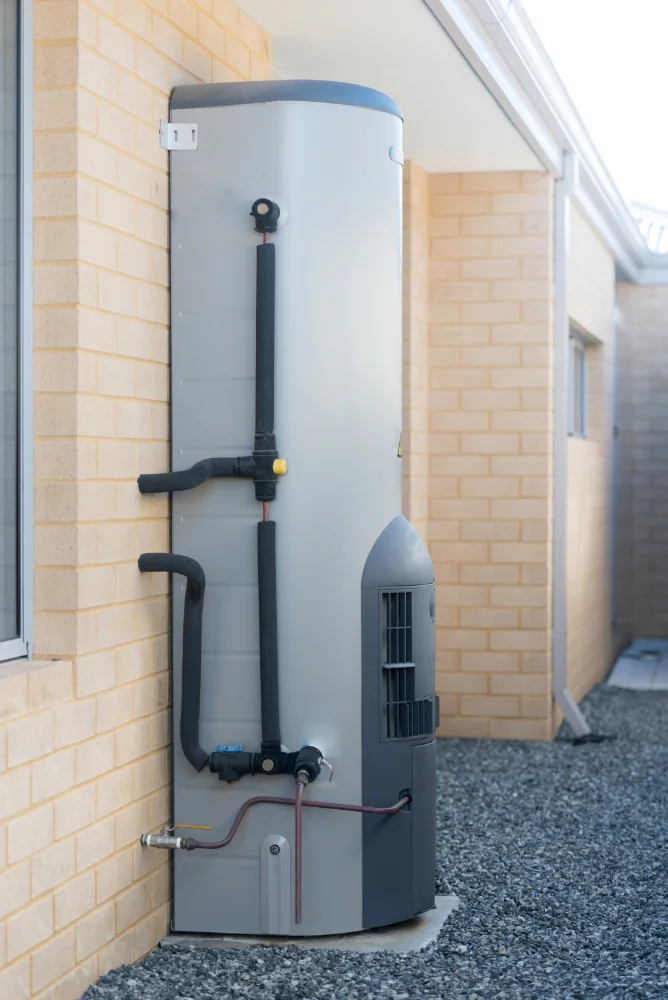
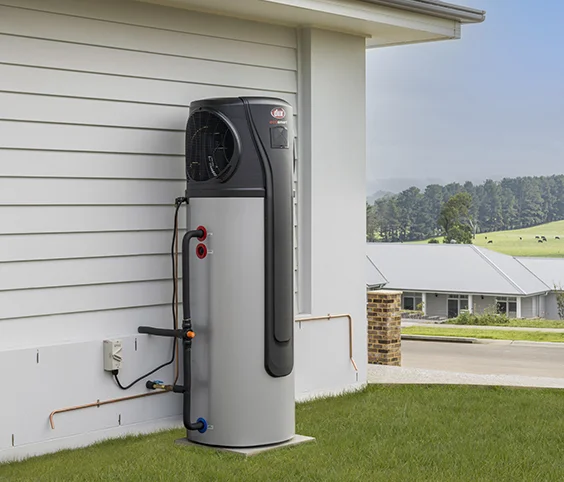
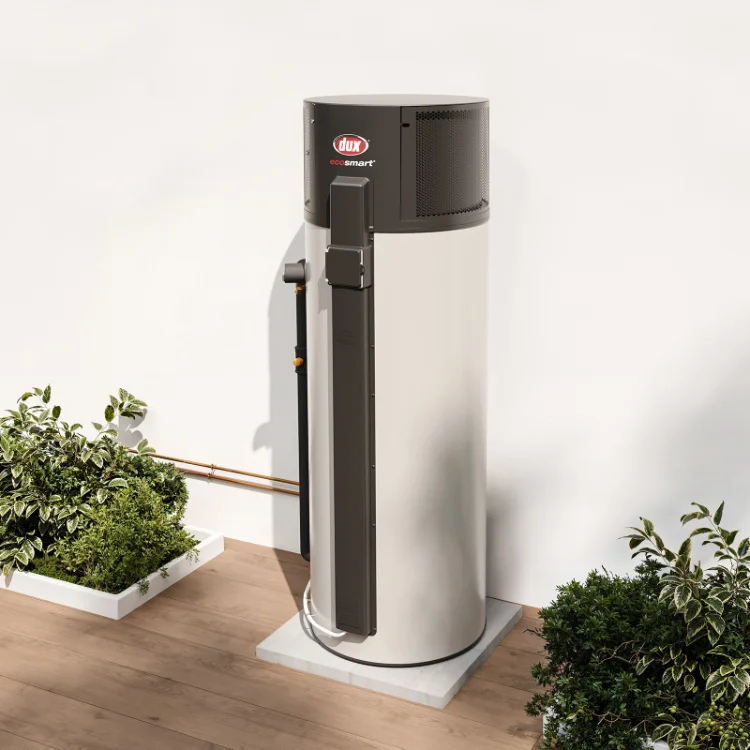
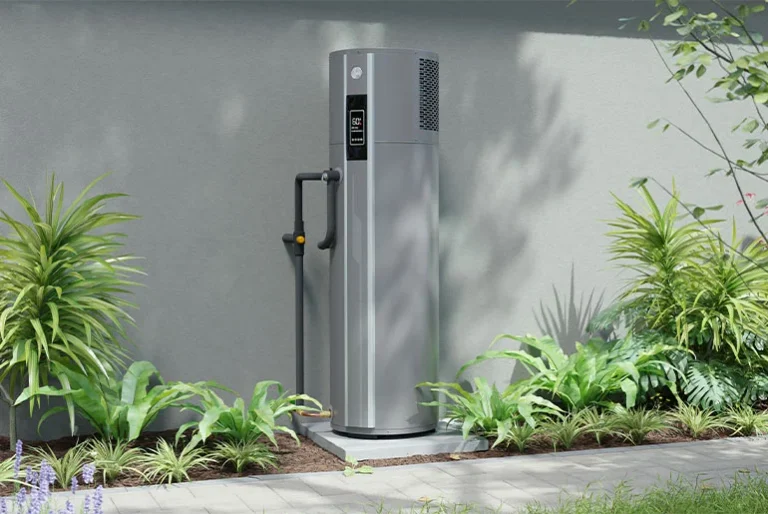
Heat pump hot water works like a reverse air conditioner. A refrigerant cycle extracts heat from the surrounding air and transfers it into the tank. Because it moves heat rather than generating it directly, a heat pump uses about a quarter of the electricity of a standard electric tank for the same hot water output. They run day and night and don't depend on sun.
Both systems are eligible for government rebates and both significantly reduce running costs compared to standard electric or gas tanks.
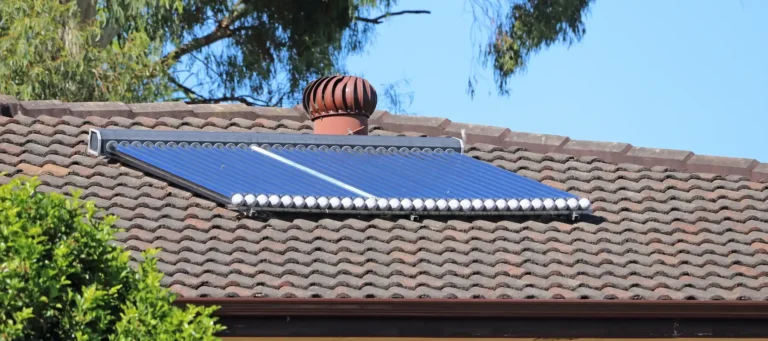
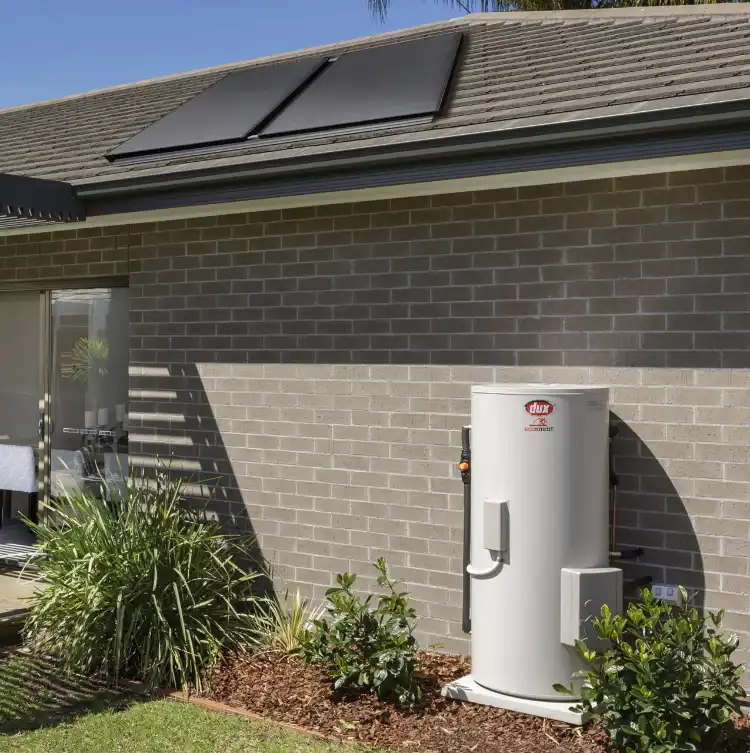
Solar has the lowest running cost when the sun is good, because most of the heating is free. Upfront cost is higher, install is more involved (roof work), and performance dips on cloudy stretches when the booster has to run. Best for households with good north-facing roof space and consistent daytime hot water use.
Heat pump has slightly higher running costs than peak-performing solar, but the performance is consistent year-round and the install is simpler (no roof work). It works in any orientation, takes less space, and is usually quicker to fit. Best for shaded properties, smaller roof spaces, or households where consistent reliability matters more than absolute lowest cost.
For most homes on the Northside, the call comes down to roof orientation, roof space, household size, and your budget for the upfront spend. We'll talk you through both options at the quote.
Both solar and heat pump hot water systems are eligible for Small-scale Technology Certificates (STCs) under the federal Renewable Energy Target. STCs are essentially a federal rebate that comes off the upfront cost of an eligible system. The number of certificates you receive depends on the system, the model, and your location, and the value of those certificates is applied as a discount on the installed price.
In practice, this means the price we quote already has the STC rebate factored in. You don't have to apply for it, claim it, or chase it separately. We handle the paperwork and pass the discount on.
Queensland state-level incentives have come and gone in recent years, and energy retailers occasionally offer their own discounts on top. We check what's currently available at the time of quote so you get the full benefit of whatever applies. Rebate amounts vary by system and timing, so we'll confirm exact figures in your quote rather than quote ballpark numbers that might be out of date by the time you read this.
We work through all of this on the quote and recommend the system that fits, not the most expensive one.
If the system is under 8 years old and the fault is a single component (pump, controller, boost element, valve), repair is usually the right call. Over 10 years and showing multiple symptoms, replacement starts to make more sense. We'll tell you straight on site which way it leans.
Visible water leaks, no hot water at all, an error code that won't clear, or a booster that's running constantly. These don't sort themselves out and they cost you money the longer they sit.
Annual or biennial service keeps both system types running properly and catches small issues before they cost the tank.
Switching from electric or gas to solar or heat pump. We work out the changeover, apply the rebates, and quote the full job as a single fixed price.
Covering a range of brands, and with our ability to service and repair, we have you covered.
We're not tied to a single brand, which means the system we recommend is the one that fits your household and budget, not whichever supplier pays us best. We install and service the major Australian-market brands across both solar and heat pump.
For solar, we site the panels for orientation and structural sound, install the tank (close-coupled or ground-level depending on system type), run the plumbing, wire the controller, and connect the boost. For heat pump, we site the unit for airflow and noise considerations, run the condensate drain, connect the plumbing and electrical, and commission the system. Both wrap with a system test and a walk-through.
We diagnose with the manufacturer's service tools and our own pressure and electrical testing kit. Most faults are sorted on the first visit. Where a part needs to be ordered, we'll have it within 24 to 48 hours.
An annual or biennial service is the single biggest thing you can do to keep a solar or heat pump system running properly across its full life. For solar, we check the panels for shading, debris, and seal integrity; test the pump and controller; flush the tank; and inspect the anode rod. For heat pump, we check refrigerant pressure, clean the air intake, test the electronics, and inspect the tank and anode rod. Both system types get a full system test before we leave.
T.U.R.D.S is a local, family-owned Northside business with 16 years in the industry. Every install, service, and repair is done by a licenced, insured tradesperson. No subcontractors.
Free quotes across the Moreton Bay area. Rebate guidance built into every quote, so the price you see is the price you pay after STCs and any other applicable incentives. Brand-neutral recommendation, not a sales pitch for whatever's on the truck. Manufacturer's warranty applies on the unit.
Step by Step
Call us on 0429 359 081 or submit a booking request online. Let us know your current system, household size, and roof situation.
We come out, check the site, work out which system suits, and quote a fixed price with rebates already applied.
We install or repair the system. Most installs are completed in a day. We coordinate any electrical work with our licenced sparkies where required.
Full system test, walk-through of the controller and settings, paperwork and warranty handover. Old units removed and taken away.
From family homes to busy businesses, we’ve built our reputation on trust, reliability, and real results. Here’s what locals across Brisbane’s Northside say about working with T.U.R.D.S.
100% recommend this service.
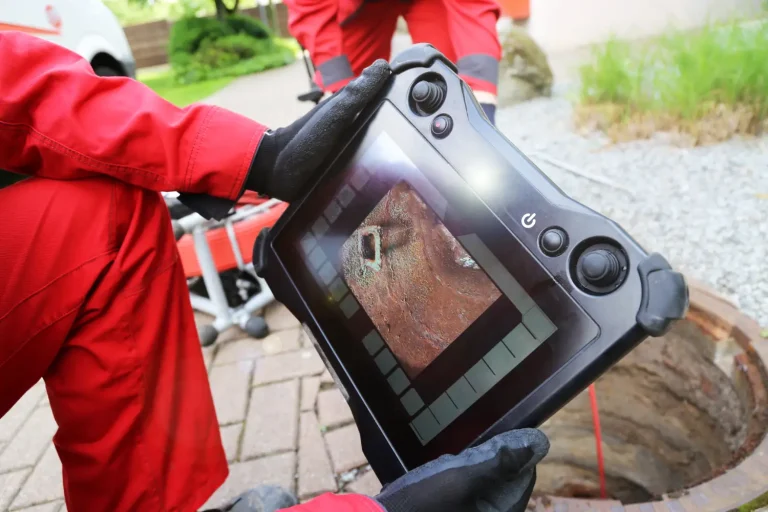
great price, awesone team and so helpful. Brent was amazing - the cause of the blocked drain was just as he said. spotted a fig tree 400 metres away- bingo. Tidy tradie - best I have seen.
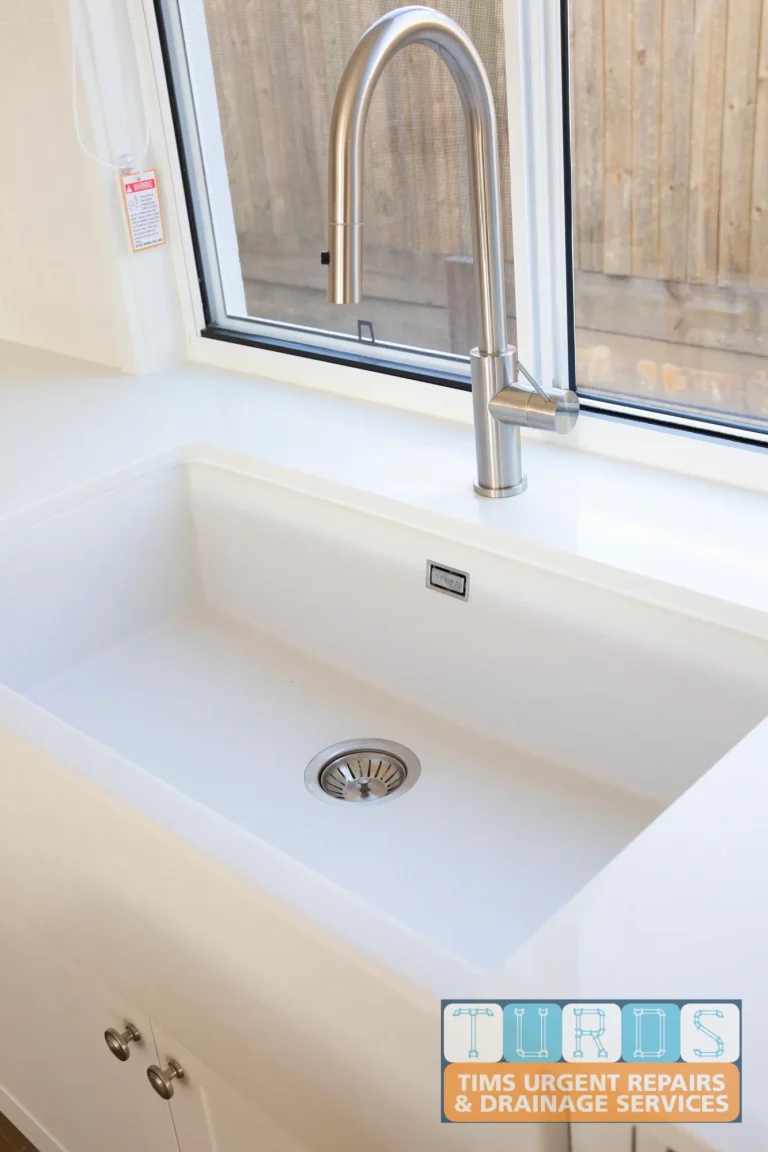
Tim came to replace our 3 cracked sinks under warranty and did a very professional job, he also cleaned up after he finished,
Recommend him to anyone.
Quick response and easy communication via fb messenger. Turned up on time, did the job quickly and professionally and all for a great price!
Get quick answers to our most frequently asked questions about solar and heat pumps.
Can’t find the answer you’re looking for? Contact us!
Eligible solar hot water systems qualify for federal Small-scale Technology Certificates (STCs), which come off the upfront installed price. The number of certificates and the dollar value vary by system and timing, and we factor the current rebate into every quote. Queensland state programs and energy retailer discounts also surface from time to time. We check what's available at quote.
Heat pump systems are also eligible for federal STCs, and they often attract a strong number of certificates because of the efficiency. Some heat pumps qualify for additional state or retailer-led incentives. As with solar, we apply whatever's current at the time of quote and pass it on as an upfront discount.
STCs are a federal scheme that effectively pays you for installing an eligible renewable hot water system. In practice, you don't have to apply for anything: the installer claims the certificates on your behalf and passes the value through as a discount on the installed price. The quoted price you receive from us already has STCs factored in.
It depends on your roof, your household size, and your budget. Solar generally has the lowest running cost when the sun is good but a higher upfront price and a more involved install. Heat pump is more consistent year-round, simpler to install, and usually quicker to recoup. We talk you through both at the quote.
Installed prices vary by brand, model, and household size. We give you a fixed-price quote with rebates already applied. Call us on 0429 359 081.
A heat pump typically uses about a quarter of the electricity of a standard electric tank for the same hot water output. Real-world savings depend on your usage, your tariff, and whether you've got solar PV on the roof, but most households see a meaningful drop in their hot water portion of the bill.
Yes. South-east Queensland winters are mild enough that heat pumps perform well all year. They draw heat from ambient air, and even on a cool night there's enough heat to extract.
Both system types typically last 10 to 15 years with regular servicing. Tanks and panels are often warranted for around that period, with shorter warranties on pumps, controllers, and heat pump compressors.
Yes, and it's one of the most common upgrades we do. Heat pumps generally fit in the same footprint as an existing electric tank and connect to the same plumbing and electrical, which keeps the changeover straightforward.
Can’t find the answer you’re looking for? Contact us!